


In the ever-evolving world of health and wellness, 2026 is set to bring a fresh wave of food and nutrition trends. These trends are expected to focus on the importance of fibre and protein, the growing interest in personalized nutrition, and the role of gut health in maintaining overall wellness. Here are “Four nutrition trends to watch in 2026”.
Fibre Remains a Key Focus
In 2026, fibre continues to hold the spotlight in our daily diet. As people become more conscious about gut health, the importance of fibre in maintaining a healthy digestive system is becoming increasingly recognized. This is not just the case for older adults, but younger consumers as well, driven in part by social media trends such as #fibermaxxing on TikTok, which promotes meals and snacks rich in fibre.
Companies like Whole Foods are expected to introduce more fibre-rich products, including pastas, breads, bars, and crackers. The year will also see a rise in products with added prebiotics, specific fibres that fuel the growth of beneficial gut bacteria. Danone’s Activia Expert yogurt and PepsiCo Inc.’s Pepsi Prebiotic Cola are examples of such products that emphasize the importance of fibre and prebiotics for gut health.
Protein Continues to Dominate
Protein, an essential nutrient for building and maintaining muscle and bone health, is another trend that is expected to stay strong in 2026. The International Food Information Council reports a significant increase in Americans trying to consume more protein. This is likely due to protein’s role in supporting physical fitness, healthy aging, and weight loss.
The market is predicted to see more “high protein” labels on products including protein-infused beverages and protein-boosted dairy products. There is also an expected rise in “protein-plus” products that offer additional benefits beyond their high protein content, such as fibre, probiotics, creatine, collagen, electrolytes and adaptogens.
The Rise of Beans
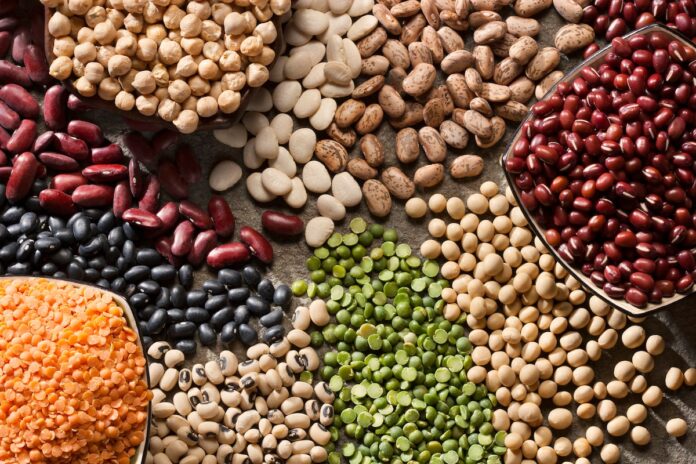
As a rich source of both fibre and protein, pulses such as kidney beans, black beans, chickpeas, split peas, and lentils are expected to become more popular in 2026. These nutrient-dense foods are not only an affordable alternative to animal proteins but also align with the growing interest in sustainable, climate-friendly diets.
Expect to see a variety of dishes featuring pulses, from protein bowls and bean soups to lentil bolognese and chickpea curry. These foods not only promote heart and brain health but also contribute to a balanced and diverse diet.
Expansion of Personalized Nutrition
The field of personalized, or precision, nutrition is another significant trend to watch in 2026. With the convergence of artificial intelligence, genomics, and wearable health technology, personalized nutrition is moving from a premium service to a mainstream offering.
Diet planning is shifting from generic dietary guidelines to tailored advice based on individual health and fitness goals, life stage, genetics, microbiome composition, metabolic markers, and lifestyle factors. This includes the use of nutrigenomic testing by dietitians to provide DNA-specific diet advice, and the increasing popularity of continuous glucose monitoring and gut microbiome testing.
While personalized nutrition is not a panacea, it is becoming an expectation in the provision of nutrition advice. It is an exciting trend that could potentially revolutionize our approach to health and wellness.
Author Bio: Leslie Beck, a Toronto-based private practice dietitian, is the director of food and nutrition at Medcan.
