

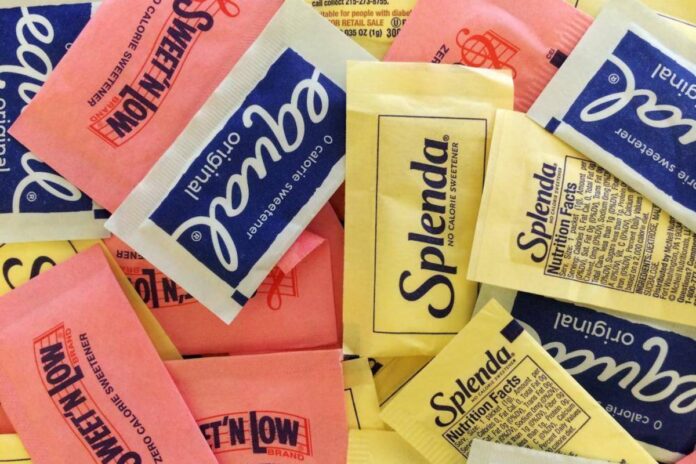

A new study suggests that high intake of artificial and low-calorie sweeteners may lead to faster cognitive decline. The growing popularity of these sweeteners is fueled by health concerns over added sugars and the global shift towards an ultra-processed diet. However, recent evidence questions the safety of these sweeteners, linking them to increased risks of various health problems, including Type 2 diabetes, cardiovascular disease, cancer, and depression. This article delves into the latest research on the potential impact of these sweeteners on brain health.
Understanding Low- and Zero-Calorie Sweeteners
Low- and zero-calorie sweeteners, also known as non-sugar substitutes, are found in both synthetically made chemicals and natural extracts. The synthetic variety includes aspartame, sucralose, acesulfame potassium, saccharin, and cyclamates. Natural extracts include stevia, monkfruit, sugar alcohols, and tagatose. These sweeteners are primarily found in ultra-processed foods like diet soft drinks, diet flavored yogurt, no-sugar-added condiments, baked goods, candies, chewing gum, frozen desserts, and protein bars. Some, such as sucralose and aspartame, are also sold as tabletop sweeteners.
Latest Research on Low- and Zero-Calorie Sweeteners
Published in the journal Neurology on September 3, a recent study analyzed data from 12,772 adults in Brazil. Participants ranged in age from 35 to 74 and were dementia-free at the start of the study. They completed a detailed questionnaire about their usual food and drink consumption over the previous year. This data was used to calculate each participant’s intake of seven common sweeteners: aspartame, saccharin, acesulfame potassium, erythritol, sorbitol, xylitol, and tagatose. After an average of eight years, participants underwent cognitive tests to evaluate memory, language skills, brain processing speed, and executive function.
Low- and Zero-Calorie Sweeteners and Faster Brain Aging
The study found that participants with the highest total intake of low- and zero-calorie sweeteners had a significantly greater decline in cognition and memory compared to those with the least intake. Participants with an average intake of 191 milligrams of these sweeteners per day had a 63% faster rate of cognitive decline over eight years, equivalent to 1.6 years of cognitive aging. For perspective, this amount is equivalent to the amount found in 16 packets of Splenda or almost 16 ounces of diet cola.
Participants with a middle-tier intake (66 mg per day on average) experienced a 35% faster rate of cognitive decline. Except for tagatose, higher intakes of each individual sweetener were associated with accelerated cognitive decline. The trend was most pronounced among participants with diabetes and those under 60 years of age. This suggests that middle-aged adults should be cautious about consuming low- and zero-calorie sweeteners due to their potential impact on brain health.
Strengths and Limitations of the Study
The study’s strength lies in its large and diverse sample size and the inclusion of younger participants. However, it only assessed dietary intake at the start of the study, failing to capture potential dietary changes over time that could impact the results. Furthermore, as an observational study, it reported associations and did not prove that the sweeteners directly caused cognitive decline.
Potential Harm of Non-Sugar Substitutes on the Brain
The exact mechanism through which non-sugar substitutes may harm the brain is not clear. However, inflammation and changes in the microbiome are believed to be involved. When low- and zero-calorie sweeteners are broken down in the body, they may produce toxic metabolites that inflame brain cells and weaken the blood-brain barrier. Moreover, artificial sweeteners have been shown to disrupt the gut microbiome, causing inflammation and glucose intolerance.
Should You Avoid Sweeteners?
While more research is needed, the current evidence should prompt caution. If low- and zero-calorie sweeteners are a regular part of your diet, consider reducing or eliminating them. For those who consume these sweeteners occasionally, there’s no evidence to suggest harm.
Leslie Beck, a Toronto-based private-practice dietitian and the director of food and nutrition at Medcan, recommends a balanced approach to consuming these sweeteners. As with any dietary decision, it’s crucial to consider the potential benefits and risks.
