

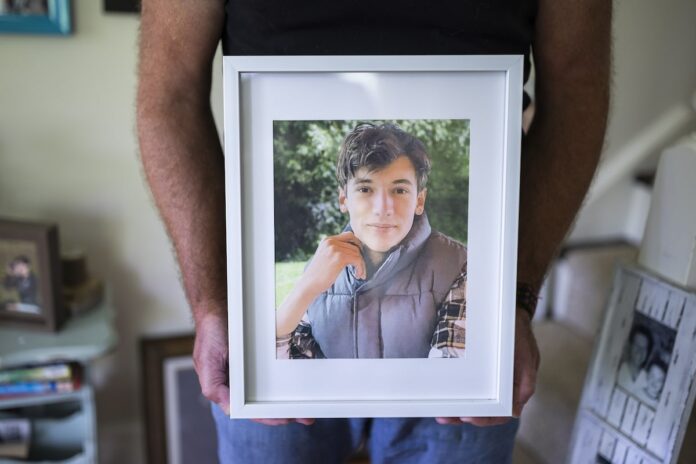

A recent lawsuit has brought attention to the tragic case of Finlay van der Werken, a 16-year-old boy who died after waiting for hours in the emergency room at Oakville Trafalgar Memorial Hospital. Hospital staff provided ‘reasonable’ care to the Ontario teen, a statement of defence claims. This case has sparked public debate about the state of emergency-room care in Canada and led Finlay’s family to push for legislative changes.
The Case of Finlay van der Werken
On the evening of February 7, 2024, Finlay, an active hockey-playing teen, was rushed to the hospital by his mother due to excruciating pain on his right side. Despite being classified as needing rapid medical intervention, Finlay waited more than eight hours to see a physician. His condition deteriorated during this time, leading to cardiac arrest followed by his death the next morning due to septic shock and pneumonia. His story has drawn significant public attention and criticism towards the existing state of emergency-room care in Canada.
The Lawsuit and Defence
A lawsuit was filed on behalf of Finlay’s family, alleging negligence by Halton Healthcare Services Corp., the network of hospitals encompassing Oakville Trafalgar Memorial. The lawsuit claims Finlay’s suffering and death were solely caused by negligence. However, the statement of defence denies these allegations, insisting that the hospital staff provided reasonable care in accordance with accepted standards, under the direction of independent medical practitioners.
Public Response and Ministry’s Statement
The Ontario Health Ministry described Finlay’s death as deeply tragic and unacceptable. It reiterated its expectation for every hospital to uphold the highest standard of patient care and to comply with requirements under the Public Hospitals Act. The case has stirred up public sentiments, with patients and health care providers voicing concerns over the current state of emergency-room care in the country.
Finlay’s Law and Family’s Campaign
Aside from the lawsuit, Finlay’s family is advocating for legislative changes to emergency-room care. They propose the creation of “Finlay’s Law”, aimed at setting emergency-room waiting times for children among other measures. Their campaign, known as “Finlay’s Voice”, is a testament to their commitment to prevent similar incidents from happening in the future.
Awaiting Inquest and Hospital’s Response
The family has requested a discretionary inquest into their son’s death. The Office of the Chief Coroner of Ontario is currently reviewing this request. Halton Healthcare, on the other hand, refrained from commenting on individual patient cases but mentioned its ongoing efforts to enhance patient flow and create a more patient-centered environment across all their emergency departments.
The unfortunate case of Finlay van der Werken serves as a stark reminder of the urgent need for improvements in emergency-room care. It underscores the necessity to balance patient needs with available resources, and to create a system that ensures timely and adequate care for all patients.
