

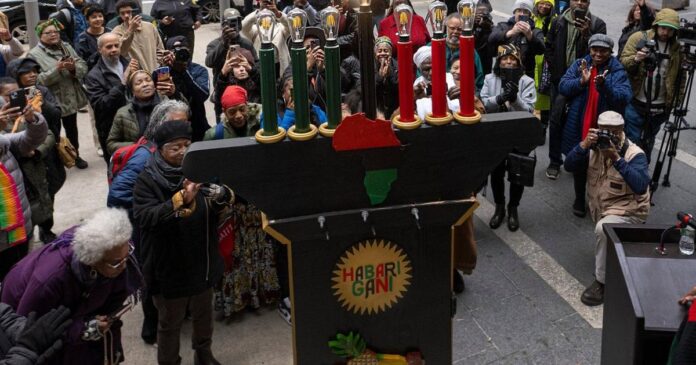

Originating in 1966, Kwanzaa is a celebration deeply rooted in African culture and community. Recognized nationally in the United States, it has also found its place in countries with large African descendant populations. As it continues to grow in recognition and observance, many people may find themselves wanting to learn more about this unique holiday. This article serves as “A beginner’s guide to Kwanzaa”, providing an insightful look into its history, significance, and traditions.
What is Kwanzaa?
Kwanzaa is a week-long celebration observed from December 26 to January 1 each year. It was created by Dr. Maulana Karenga, a professor of African Studies, in 1966 following the Watts riots in Los Angeles. The holiday was established as a means to bring African-Americans closer to their African roots and culture. The name “Kwanzaa” comes from the Swahili phrase “matunda ya kwanza,” which translates to “first fruits of the harvest.”
Principles and Symbols of Kwanzaa
The celebration of Kwanzaa revolves around seven principles, known as the Nguzo Saba. Each day of Kwanzaa is dedicated to one of these principles. They are Umoja (Unity), Kujichagulia (Self-Determination), Ujima (Collective Work and Responsibility), Ujamaa (Cooperative Economics), Nia (Purpose), Kuumba (Creativity), and Imani (Faith).
The symbols of Kwanzaa include the Mkeka (a mat), Kinara (a candle holder), Mishumaa Saba (seven candles), Muhindi (corn), Kikombe cha Umoja (unity cup), and Zawadi (gifts). These symbols represent different aspects of African culture and community.
How is Kwanzaa Celebrated?
Kwanzaa celebrations often include songs, dances, African drums, storytelling, poetry reading, and a large traditional meal. On each day of Kwanzaa, a candle is lit on the Kinara. The black candle is lit first and then it alternates between the three red and three green candles. The black candle represents the African people, the red candles represent their struggle, and the green candles represent the future and hope that comes from their struggle.
Kwanzaa’s Impact
Over the years, Kwanzaa has grown in influence and recognition, becoming a significant part of African-American and African diaspora culture. It provides a connection to African cultural heritage and values, reinforcing community among African-American people and unity among all people of African descent worldwide.
Conclusion
Kwanzaa is more than just a celebration; it’s a reflection of a rich cultural heritage and a reaffirmation of important community values. Whether you’re an individual of African descent looking to reconnect with your roots, or simply someone interested in broadening their cultural understanding, observing or learning about Kwanzaa can be a deeply enriching experience.
