


Here is a shortened, clean version of your prompt with the same meaning:
⸻
House of Blanks’ sartorial success is rooted in its made-in-Canada ethos. This brand is driven by a commitment to domestic production of high-quality knits, particularly fleece, which has garnered a cult following among fashion enthusiasts who appreciate the meticulous craftsmanship behind each piece. Let’s delve into their inspiring journey.
The Genesis of House of Blanks
Amit Thakkar, the visionary behind House of Blanks, succinctly explains his mission: “We’re a cold country, so we should know how to make this stuff, right?” Thakkar was motivated by the thought of reviving the textile industry in Canada, which had largely faded away over the years. His brand specializes in well-constructed basics such as dense hoodies, perfectly tailored tees, and comfy sweats, all of which have found favour among those who value quality over branding.
Unbranded Quality
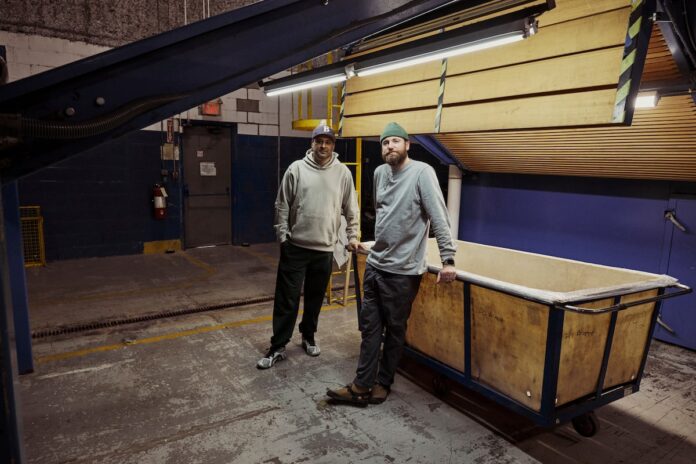
One unique feature that distinguishes House of Blanks from other brands is its minimalist approach. Each piece comes devoid of labels, graphics, or any identifying marks. The secret behind their success is not branding, but the place where the magic happens – Roopa Knitting Mills in Brampton, Ont. This family-owned textile factory, established in 1991 by Amit’s father, Nat, crafts cotton fleece and jersey for big fashion brands such as Stüssy, Supreme, J.Crew, and Roots.
The Birth of House of Blanks
The inception of House of Blanks was rather serendipitous. In 2008, Amit found himself with a large surplus of fabric manufactured at an incorrect weight for a client. Unable to find a buyer, he ingeniously decided to make sweatshirts from it and sell them directly to customers. The brand quickly gained popularity, especially during the pandemic, leading to an expansion of their line to include more than a dozen styles in 19 colours.
The Unique Vertical Integration
What truly sets Roopa and House of Blanks apart is their vertical integration process. They source raw cotton, predominantly from the U.S., and transform it into fleece, French terry, and jersey at their 72,000-square-foot facility. This fabric is then dyed and pre-shrunk in their 91,000-square-foot dye house across the street, before being cut and sewn at their Scarborough facility. Every step of the production process happens locally, within the Greater Toronto Area.
A Commitment to Quality
House of Blanks champions the idea of perfecting the basics. As Thakkar puts it, “Outside of making a three-arm T-shirt, you’re not reinventing the wheel.” According to him, it’s easier to import, but making things domestically provides a distinctive edge. They are committed to domestic production, refusing to compromise on quality for volume. The brand relies on client support and customers who are willing to pay for Canadian-made quality: $35 for a T-shirt, $110 for a hoodie.
Future Growth
Despite tariff concerns from American customers, 2025 was a productive year for House of Blanks. Canadian buyers rallied, resulting in sales increasing by 100%, and domestic customers became the majority for the first time. Much of this growth was propelled by online word of mouth and endorsements from influential men’s-wear voices like Vancouver-born writer Derek Guy. In Thakkar’s words, “Maybe it sounds a little braggadocious, but we have made a name for Canadian fleece.”
