


New laws and rules coming to Ontario in 2026 will significantly impact taxpayers, homeowners, tenants, and employers across the province. This article will outline the changes that will come into effect next year, introduced by the Ontario government, the City of Toronto, and the federal government.
Federal Tax Bracket Changes Starting 2026
One of the most critical changes coming to Ontario in 2026 is the alteration of federal income tax brackets. The Canada Revenue Agency (CRA) has adjusted these tax brackets to account for inflation. The rate used for indexing tax brackets in 2026 will be two per cent, a significant decrease compared to previous years. For instance, in 2025, the adjustment was 2.7 per cent, 4.7 per cent in 2024, and 6.3 per cent in 2023.
The new tax bracket thresholds and non-refundable tax credit amounts will take effect on January 1, 2026. Additionally, changes to federal benefits, such as the GST credit, Canada Child Benefit, and the Child Disability Benefit, will come into play on July 1, 2026. The amount of federal income tax you pay will depend on your annual earnings, with varying percentages for different income brackets.
Public Service Returns to Office in Ontario
Another significant development for Ontario in 2026 is the full-time return of public service workers to the office. Starting January 5, 2026, the Ontario Public Service and its provincial agencies, boards, and commissions will recommence full-time office work. This move reflects the current workforce landscape in the province and the government’s commitment to reflecting the people and businesses they serve across Ontario.
Introduction of Indoor Temperature Standards Bylaw
New laws and rules coming to Ontario in 2026 also include the introduction of the Indoor Temperature Standards bylaw by the City of Toronto. Effective from June 1, 2026, the new bylaw mandates that apartment buildings without air conditioning must provide tenants with access to a cooled amenity space during the summer. Landlords must inform tenants about the location and hours of these cooled amenity spaces.
Pay Transparency Laws to be Implemented
Changes to Ontario’s Employment Standards Act, 2000 (ESA) will also take effect from January 1, 2026. These changes mandate employers in the province to disclose the expected compensation or salary range in public job postings. Moreover, employers must also notify candidates in person or in writing within 45 days of their final interview about the outcome of their application.
Stricter Ontario Fire Code Rules
Stricter carbon monoxide safety rules will come into effect in Ontario from January 1, 2026. These rules expand where CO alarms are required in homes and rental units. Homeowners will be required to install CO alarms if they have a fuel-burning appliance, fireplace, attached garage, or if the property is heated by a fuel-burning appliance. CO alarms must be installed adjacent to each sleeping area and on every storey of the house, even those that do not have sleeping areas.
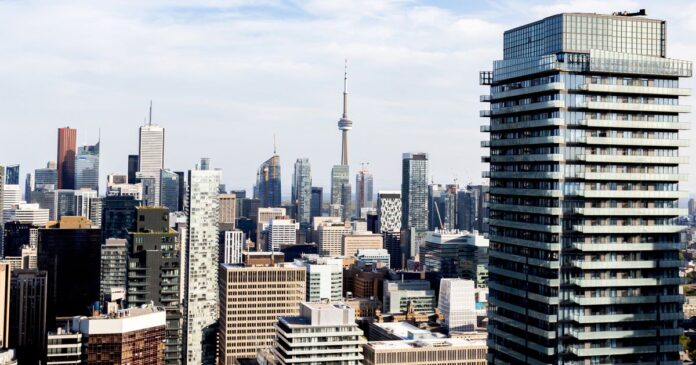
Stringent carbon monoxide alarm rules are coming to Ontario in 2026 that will impact all types of properties, including apartments and condos. Photo: Fareen Karim.
“As of Right” Rules and Other Changes
The provincial government has also revealed plans for implementing mutual recognition of goods and services from other reciprocating Canadian jurisdictions. This move aims to unlock new domestic markets for Ontario businesses, leading to less paperwork, lower costs, faster approvals, and wider customer bases.
Finally, changes to recycling collection in Toronto and an increase in water and waste fees are also set to take effect in 2026. These changes, along with the introduction of the Free Trade and Labour Mobility in Canada Act, are set to bring significant alterations to the way Ontarians live and work.
