

The Ontario government is set to roll out several new laws and regulations starting from January 1, 2026. These changes are expected to impact various sectors, including employment, healthcare, housing, and utilities. The “New laws and rules coming to Ontario next month” will bring about significant changes in pay transparency, fire safety, water and waste fees, recycling collection, and inter-provincial trade.
Updated Pay Transparency Laws
As of January 1, 2026, Ontario will be implementing new pay transparency laws that aim to bring about fairness and transparency in the hiring process for job seekers. Under the updated Employment Standards Act, 2000, employers in the province with 25 or more employees will be required to disclose the expected compensation or salary range in any publicly advertised job posting.
Job Posting Requirements
The disclosed pay range should not exceed a $50,000 range. However, job postings with an upper limit exceeding $200,000 annually are exempt from this rule. Furthermore, all forms of pay, including bonuses, commissions, and other non-discretionary compensations, need to be disclosed. Employers are also required to state whether artificial intelligence is used in the screening or selection process.
As of Right Rules
Ontario is also implementing mutual recognition of goods and services from reciprocating Canadian jurisdictions. This initiative, part of the Protect Ontario Through Free Trade Within Canada Act, 2025, aims to boost the province’s economic potential. The Act allows goods or services meeting regulatory requirements in other parts of Canada to be recognized in Ontario, thereby reducing paperwork and lowering costs for businesses.
Labor Mobility
Alongside this, Ontario is streamlining labor mobility to attract workers from other parts of Canada. Accordingly, professionals such as engineers, doctors, architects, and electricians will be allowed to practice their professions in Ontario for up to six months while they complete registration with their regulatory bodies.
Changes to the Ontario Fire Code and Recycling Collection
In addition to the aforementioned changes, stricter carbon monoxide safety rules will be introduced, and new regulations pertaining to the installation and maintenance of carbon monoxide alarms in residential properties will be enforced. The responsibility of managing recycling for houses, schools, multi-residential buildings, long-term care facilities, and retirement homes in Toronto will shift from the City to Circular Materials, a national not-for-profit organization.
Increased Water and Waste Fees
From January 1, 2026, residents can expect a 3.75% interim increase in solid waste management services and water rates and fees. This increase aims to maintain and improve essential services like waste collection and water treatment.
Free Trade and Labour Mobility in Canada Act
The Free Trade and Labour Mobility in Canada Act introduced in June as part of Bill C-5 will also take effect on January 1, 2026. This Act provides a framework for reducing the burden of federal rules on internal trade across provinces and territories.
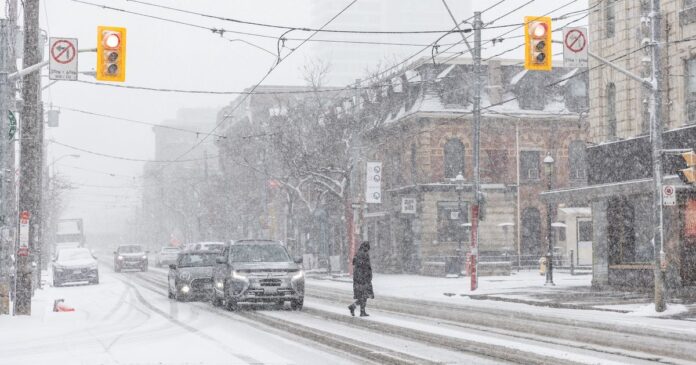
Lead photo by Scott Heaney/Shutterstock.com
