

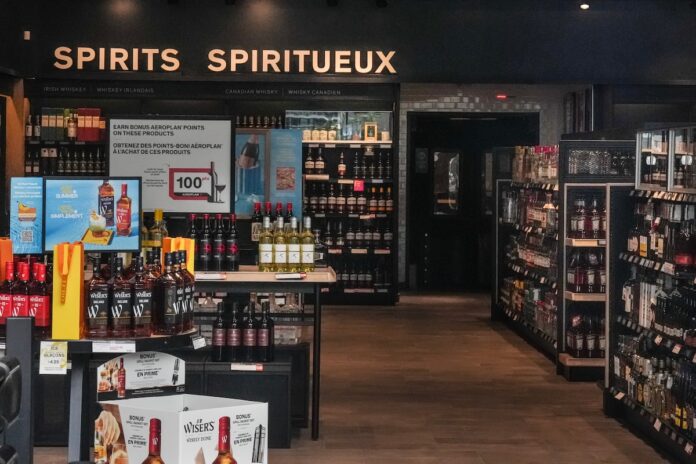

Changes to the alcohol marketplace in Ontario, following Premier Doug Ford’s plans to expand and modernize how alcohol is sold, could potentially lead to an increase in alcohol prices next year. Businesses, such as bars, restaurants, and convenience stores, which have been benefiting from a 15 per cent wholesale discount from the Liquor Control Board of Ontario (LCBO), could witness a price surge as this discount is set to end on December 31. This situation could force some retailers to pass on the price increase to their customers.
Impacts on Restaurants and Convenience Stores
Restaurants, particularly, may feel the blow of the change. Kelly Higginson, president and CEO of Restaurants Canada, has pointed out that 41 per cent of restaurants already operate under tight margins and are unprofitable. With the reduction in the alcohol discount from the LCBO, many establishments may need to pass on the higher alcohol cost to their customers.
“We have also seen double-digit inflationary pressures around food, around insurance, around commercial rent – you kind of name it, it’s gone up,” Higginson said. “We haven’t raised menu prices as much as our input costs have been increasing, but we will have to raise prices for alcohol. We will not have an option, because we can’t continue to raise prices on food.”
Similarly, convenience stores may also have to increase their alcohol prices. Anne Kothawala, the president and CEO of the Convenience Industry Council of Canada, shares this concern and is apprehensive about the new cost structure that the LCBO is set to implement.
New Cost Structure and Its Implications
The LCBO is transitioning to become the exclusive wholesaler, and is planning to roll out a new pricing structure. This involves adding taxes, markups, and fees to a supplier’s set price. There are worries that this could potentially raise prices for some retailers.
Major retailer associations have expressed their concerns about the proposed pricing model and its potential impacts on retail and hospitality buyers. They have written to Finance Minister Peter Bethlenfalvy, requesting a delay in the implementation of the new pricing model, which was initially set to take effect on January 1.
However, the government has delayed the new pricing system until April, giving some industry players hope that changes might be made to the formula before then. “We continue to work with the government over our concerns with the proposed pricing structure to ensure that any changes reflect the unique nature of our industry and maintain prices for consumers,” Kothawala stated.
Changes to Alcohol Recycling
Another factor that could contribute to the potential increase in alcohol prices is the change to alcohol recycling. All grocery stores selling alcohol were initially required to accept empties starting January 1. However, they have now reached a deal to avoid this, with The Beer Store continuing to handle the deposit return program.
Under this new agreement, consumers will continue to exchange their empties for deposits at Beer Store locations, with grocery stores covering the cost. This could lead to an increase in prices as grocers may pass on some or all of the costs of this system to their customers.
Levelling the Playing Field
Despite the potential price increase, grocers are pleased that bars, restaurants, and convenience stores will now be receiving the 10 per cent wholesale discount instead of 15 per cent. Gary Sands, senior vice-president of public policy and advocacy with the Canadian Federation of Independent Grocers, views this as a way of “levelling the playing field.”
He pointed out that grocery stores did not receive the temporary 15 per cent discount and were unhappy about incurring additional recycling costs, while convenience stores were exempt from this obligation and received a higher discount. This change in discount rate, he believes, will bring a balance in the marketplace.
