

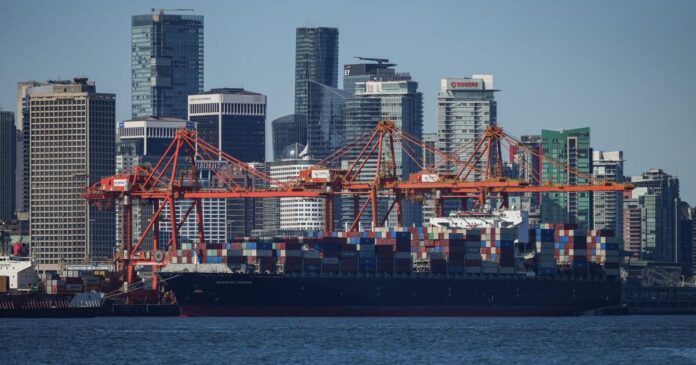

A recent report paints a catastrophic picture of a potential 9.0 quake in B.C., with thousands of lives lost, extensive structural damage, and an estimated cost of $128 billion. This “megathrust” earthquake scenario would lead to the destruction of 18,000 buildings and extensive damage to 10,000 more, according to the report.
The Potential Impact of a “Megathrust” Earthquake
Named for their massive scale and profound impact, “megathrust” earthquakes are the planet’s most powerful seismic events. They occur in subduction zones where one tectonic plate is forced under another. The energy released when the stress on the fault line overcomes the friction is what we experience as an earthquake. This release can be particularly violent in the case of a megathrust earthquake, leading to widespread destruction.
Understanding the Risks
The study estimates that a 9.0 megathrust earthquake in B.C. could potentially result in the death of thousands of people and cause considerable structural damage. In this scenario, approximately 18,000 buildings could be destroyed, and another 10,000 could suffer extensive damage. The cost of the destruction is estimated at $128 billion, a staggering amount that underscores the severity of such an event.
Preparing for the Worst
While the potential consequences of a megathrust earthquake are undoubtedly dire, it’s crucial to remember that this is a worst-case scenario. It is not a guaranteed outcome, but a possibility that scientists and policymakers must consider and prepare for. Comprehensive disaster management plans, improved building codes, and public education can all play a significant role in mitigating the effects of such a catastrophic event.
Conclusion
Understanding the scale and potential impact of a 9.0 megathrust earthquake is a daunting but necessary task. By acknowledging the risks and preparing accordingly, we can hope to minimize the damage and loss of life associated with such a catastrophic event. This report serves as a sobering reminder of the power of nature and the importance of preparedness.
