

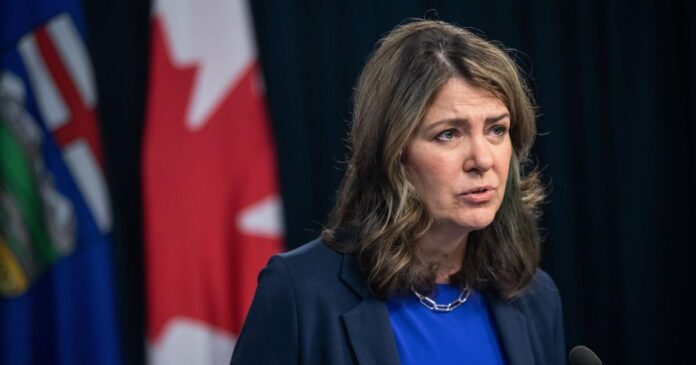

Earlier this month, a controversial report was released by a government panel in Alberta, Canada. The report made several significant recommendations, among which included a call for Alberta to ditch the Royal Canadian Mounted Police (RCMP). The panel also advised that a referendum should be held to decide whether or not Alberta should quit the Canada Pension Plan (CPP).
Alberta Government Panel Calls to Ditch RCMP
The panel, known as the Fair Deal Panel, was established by the Alberta government to evaluate potential measures to increase the province’s autonomy within Canada. One of the most contentious recommendations made by the panel was the proposal to replace the RCMP with a provincial police force. The panel argued that a provincial police force would be more responsive to the unique needs and concerns of Alberta’s residents.
Previous Instances of Provinces Replacing the RCMP
While the proposal may seem drastic to some, it is not without precedent in Canada. Both Ontario and Quebec, for example, maintain their own provincial police forces. In these provinces, the Ontario Provincial Police and the Sûreté du Québec respectively handle duties that are performed by the RCMP in other parts of the country.
Proposal for a Referendum to Quit CPP
Another controversial recommendation made by the panel was the proposal to hold a referendum on whether Alberta should withdraw from the CPP. The panel argued that this would allow Alberta to establish its own pension plan, similar to the Quebec Pension Plan. This, they claimed, would give Alberta greater control over its financial future.
Reaction to the Panel’s Recommendations
The panel’s recommendations have been met with mixed reactions. While some Albertans support the idea of greater provincial autonomy, others are concerned about the potential costs and risks associated with such significant changes.
What Comes Next?
It remains unclear whether the Alberta government will act on the panel’s recommendations. However, the report has certainly ignited a passionate debate about the future of Alberta within Canada, and the potential for significant changes to some of the country’s most iconic institutions.
Regardless of one’s views on the panel’s recommendations, it is clear that they reflect a growing sentiment among some Albertans that the province’s needs and interests are not being adequately represented within the current Canadian framework. This issue will undoubtedly continue to be a major topic of discussion in Alberta, and across Canada, in the months and years to come.
