

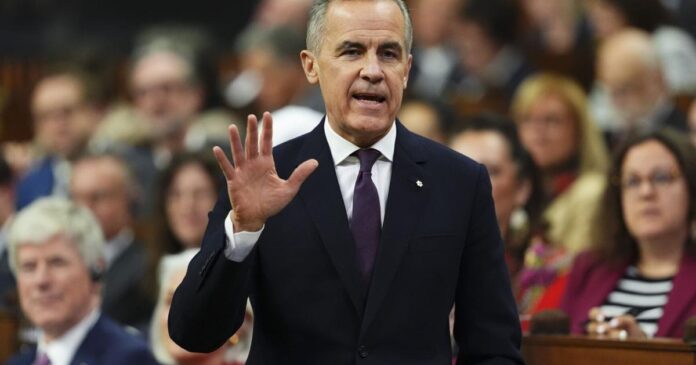

The Canadian Liberal Party under the leadership of Mark Carney recently shifted its foreign policy focus towards trade and security. This change has raised questions about the party’s commitment to human rights, particularly as it seeks investments from countries like China, India, and the Gulf nations.
Trade and Security: The New Foreign Policy Focus
The Liberals’ foreign policy shift marks a significant departure from their traditional emphasis on human rights. This change is seen as a pragmatic approach to build relationships with nations that offer strong economic opportunities for Canada. However, critics argue that this shift could potentially undermine Canada’s global reputation as a staunch defender of human rights.
Investments from China, India, and Gulf Nations
The Liberals insist their new approach does not mean they will sacrifice human rights. They argue that they will continue to advocate for human rights, even as they engage with countries like China, India, and the Gulf nations. The focus is to strike a balance between economic growth and maintaining their commitment to human rights.
Addressing Human Rights Concerns
Despite the Liberals’ assurances, concerns remain. These countries have been criticized for their human rights records, and engaging with them for investment purposes could be seen as tacit approval of these practices. The Liberals need to ensure that their pursuit of economic opportunities does not come at the expense of their commitment to human rights.
Carney’s Role in the Policy Shift
Mark Carney, the Liberal leader, has been instrumental in this foreign policy shift. With his background in finance and experience as the Governor of the Bank of England, Carney is expected to bring a fresh perspective to Canada’s foreign policy. However, his move to prioritize trade and security has prompted questions about the party’s commitment to human rights.
Maintaining the Balance
The challenge for the Liberals is to maintain a balance between their economic goals and their commitment to human rights. While the pursuit of foreign investment is crucial for economic growth, it should not come at the cost of compromising human rights. It remains to be seen how the Liberals will navigate this complex issue in their foreign policy agenda.
Conclusion
Carney’s foreign policy shift towards trade and security has indeed raised questions about the Liberals’ commitment to human rights. As the party seeks investments from countries with questionable human rights records, it needs to ensure that it does not compromise its values. The balancing act between economic growth and human rights advocacy will be a crucial test for the Liberals in the coming years.
