

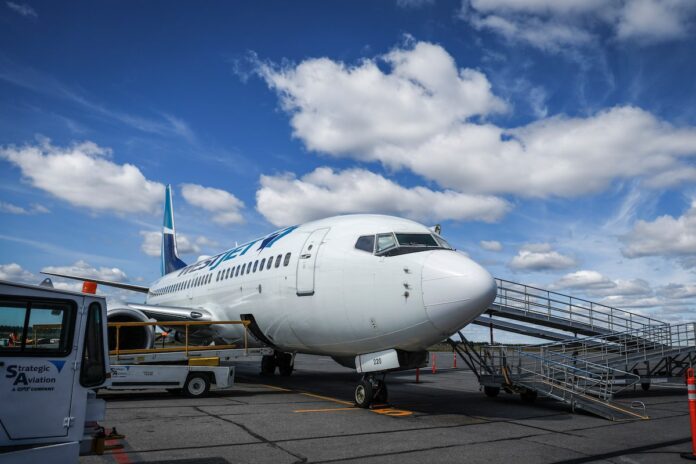

In a recent development, Canadian airline WestJet has decided to halt its plan to install non-reclining seats on a significant portion of its fleet. The decision was made in response to criticism from both employees and passengers. The airline had previously announced in September that it would reconfigure the seating arrangement on 43 of its Boeing 737 jets, introducing an additional row and dividing the cabin into several different tiers – the lower ones featuring non-reclining seats.
WestJet’s Initial Seating Reconfiguration Plan
As part of its initial plan, WestJet had intended to divide the cabins of 43 planes into several tiers. This would have resulted in some passengers, particularly those purchasing economy tickets, experiencing less legroom than in the previous layout. The airline dubbed this the “fixed recline design,” where seats would not be able to tilt back. This move was part of a broader industry trend where economy-class journeys are characterized by shrinking legroom, narrower cushion space, and additional fees for extra amenities.
Feedback Leads to a Pause in Plans
However, the announcement of this plan was met with pushback from both employees and passengers. The idea that passengers would have to pay an extra fee for a reclining seat or face reduced space sparked a wave of criticism. Concerns were voiced not only by passengers, but also by flight attendants and the Canadian Union of Public Employees. The union highlighted the risks of reduced legroom, limited overhead bin space, and increased potential for passenger frustration. They also noted that the changes could negatively impact crew members’ ability to rest on-board during commutes to their next shift.
Review and Revision of the Plan
In response to this feedback, WestJet has decided to pause the implementation of the new seating configuration. The airline will only proceed with the new layout on 22 planes for now, with 21 of these planes already featuring the proposed tighter interior. The Calgary-based company has committed to conducting a review and gathering further feedback from guests and employees before making any further changes.
WestJet’s Other Initiatives
Last year, WestJet introduced its new “extended comfort” service tier, where economy-class passengers have the option to pay for more legroom, early access to overhead bins, and a complimentary alcoholic drink. This move is in line with the industry trend of so-called ancillary revenue, which allows airlines to diversify their income and insulate themselves from fluctuations in fare prices, fuel costs, and competition.
Despite the pause in its seating reconfiguration plan, WestJet continues to explore ways to enhance the on-board experience for its passengers while also ensuring its financial sustainability.
