

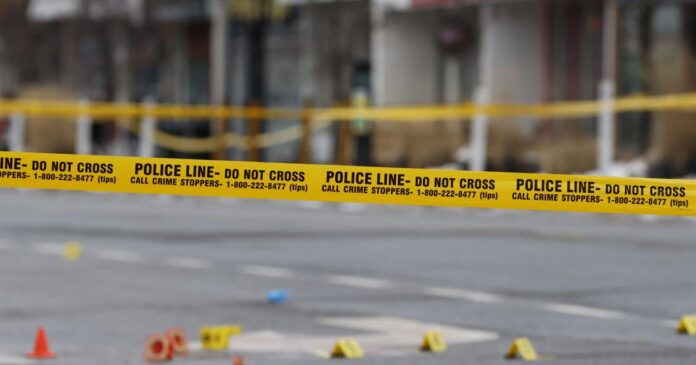

The city of Toronto is currently set to hit a 50-year low in homicides, a remarkable achievement that stands testament to the efficiency and diligence of law enforcement. Yet, there is a prevalent perception among many that crime rates are escalating. This misperception may be fueled by several factors, including the amplification of isolated incidents through media and the influence of global crime trends. In this article, we delve into this paradox, exploring the underlying reasons behind these contrasting narratives and shedding light on the actual state of crime in Toronto.
The Paradox of Perception vs Reality
Despite the significant decrease in homicides, public perception seems to contradict the data. Fear of crime often does not correlate with the actual threat. A number of factors can contribute to this disparity, including media representation, personal experiences, and societal narratives. Let’s dig deeper into each of these aspects.
Media Representation
Media plays a crucial role in shaping public opinion. News outlets often focus on negative occurrences such as crime, which can inflate the perception of its prevalence. This is not to discredit the role of media in informing the public, but it’s important to remember that media coverage doesn’t always reflect the true frequency or scale of crime.
Personal Experiences and Societal Narratives
Personal experiences and societal narratives also contribute to the perception of crime. Individuals who have been victims of crime or those who live in neighborhoods with higher crime rates may understandably perceive crime as being more prevalent. Similarly, societal narratives and discussions can amplify the perception of crime, especially in the era of social media where information (and misinformation) can spread rapidly.
Understanding the Actual Crime Rate in Toronto
Contrary to the heightened perception of crime, Toronto’s crime rate has been on a steady decline. The city is on track to record the lowest number of homicides in 50 years, a fact that can be attributed to effective policing strategies, community engagement efforts, and social programs aimed at crime prevention.
The Role of Law Enforcement
Law enforcement agencies have played a significant role in reducing violence in the city. From implementing community policing initiatives to utilizing advanced technologies for crime detection and prevention, these efforts have contributed to making Toronto one of the safest cities in North America.
Community Engagement and Social Programs
Community engagement and social programs have also been pivotal in curbing crime. These initiatives, focused on education, employment, and community development, address the root causes of crime, thereby playing a crucial role in its reduction.
Changing the Perception
Changing the perception of crime requires concerted efforts from all stakeholders, including media, law enforcement, and the community at large. It’s important to recognize the significant strides made in crime reduction and ensure that this reality is reflected in the public’s perception. As we continue to work towards a safer city, let’s do so with an accurate understanding of where we stand.
In conclusion, while Toronto is set to hit a 50-year low in homicides, the perception of increasing crime persists. This discrepancy between perception and reality underscores the need for accurate crime reporting and public education about the true state of crime in the city. With the combined efforts of law enforcement, community organizations, and responsible media, we can work towards aligning public perception with reality.
