

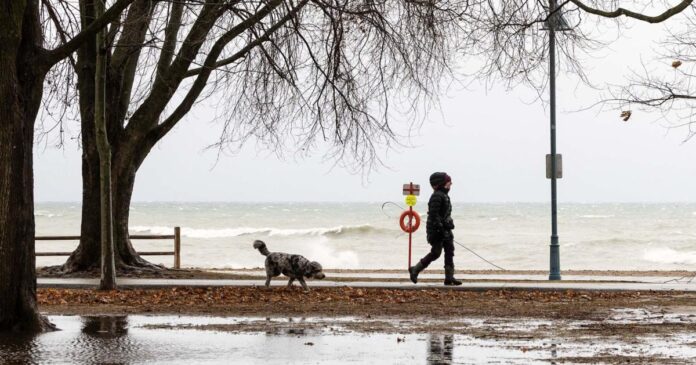

Wind warning ends in Toronto; thousands still without power. The Greater Toronto Area (GTA) breathed a sigh of relief as the wind warning was lifted. However, some areas in northern York Region and parts of Durham Region are still under weather alerts for snow squall conditions. This sudden shift in weather patterns has left many residents grappling with power outages and hazardous driving conditions.
Toronto’s Wind Warning Lifted
The city of Toronto experienced a significant wind storm, with gusts reaching speeds of over 90 km/h. This led to widespread power outages, impacting thousands of households. The wind warning, issued by Environment Canada, was finally lifted, but not before causing substantial disruption and damage.
Snow Squall Alert in York and Durham Region
Even as Toronto recovers from the wind storm, parts of northern York Region and Durham Region are dealing with snow squall conditions. Snow squalls, characterized by sudden, intense snowfalls accompanied by strong gusty winds, can lead to reduced visibility and dangerous driving conditions. Residents in these areas are advised to exercise caution while travelling.
The Impact of Severe Weather Conditions
The severe weather conditions have caused significant disruptions, with fallen trees and power lines leading to road closures and power outages. As per latest updates, thousands are still without power. Emergency services are working round the clock to restore normalcy and provide assistance to those affected.
Preparedness for Weather Emergencies
These weather events underscore the importance of being prepared for weather emergencies. Experts recommend having a well-stocked emergency kit that includes items like food, water, flashlight, extra batteries, and a portable charger. It is crucial to stay informed about weather warnings and take necessary precautions to stay safe.
References
Information about the wind warning and snow squall conditions was sourced from Environment Canada’s official website. The recommendations for emergency preparedness were obtained from the Government of Canada’s Get Prepared website, which provides comprehensive guidelines for dealing with different types of emergencies.
