

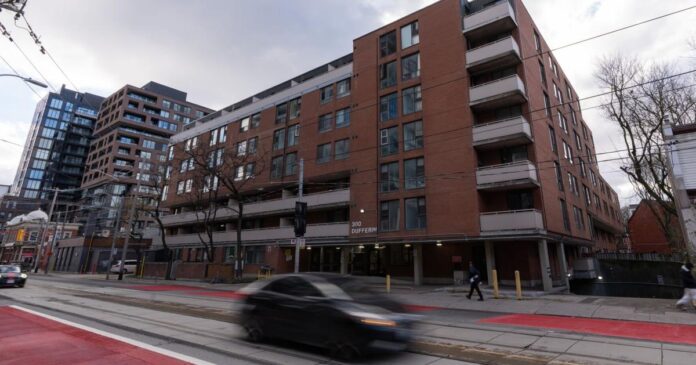

Stepping into a west-end Toronto apartment, one can’t help but notice the visible signs of corrosion. The once vibrant building is now a stark reminder of the city’s housing crisis. “This west-end apartment was corroding from the inside. Here’s Toronto’s plan to save it,” says a city official. Amidst a fervent political focus on adding new affordable housing units, the deterioration of existing affordable homes seems to have been slightly overlooked. This article delves into the pressing issue, seeking to shed light on the factors gnawing away at existing affordable housing and what Toronto plans to do about it.
The Erosion of Existing Affordable Housing
While politicians and policymakers have been increasingly focusing on efforts to add new affordable housing, a silent crisis has been unfolding. Affordable units that already exist are continually being eroded by forces ranging from market pressures to disrepair. This is not a problem unique to Toronto; it’s a global concern that requires immediate attention and innovative solutions.
Market Pressures and Disrepair: The Twin Threats
Market dynamics play a significant role in the erosion of existing affordable housing. The rising cost of property and land, coupled with the lure of high returns, often tempt property owners to convert affordable units into high-end apartments. Additionally, long-standing neglect and inadequate maintenance funds have led many affordable housing units into a state of disrepair. This is evident in the west-end apartment building, a snapshot of the broader housing issue Toronto is grappling with.
Market Pressures
With the ever-increasing demand for housing in urban areas, property prices have skyrocketed. This has put immense pressure on existing affordable housing. According to a report by Canada Mortgage and Housing Corporation, the average price of a residential property in Toronto increased by 8.1% in 2020. This surge in property values has made it lucrative for landlords to sell or renovate their properties into higher-end units, further reducing the stock of affordable housing.
Disrepair
Disrepair, on the other hand, is a more insidious factor eroding affordable housing. Many of these units are older buildings that require regular maintenance and substantial funds for repairs. However, due to limited resources and in some cases, neglect, these buildings often fall into a state of disrepair. A study by the City of Toronto revealed that nearly 30% of Toronto’s rental buildings are in a state of critical disrepair.
Toronto’s Plan to Save Existing Affordable Housing
In response to this crisis, the city of Toronto is taking steps to preserve its existing affordable housing units. The city’s plan includes implementing stronger rental protection laws, investing in the repair of existing units, and providing incentives for landlords to maintain the affordability of their properties. Specifically, the city aims to repair 58,500 Toronto Community Housing units by 2026, a move that could significantly improve the living conditions for many residents.
While the road to preserving affordable housing is fraught with challenges, the city’s initiative is a step in the right direction. It underlines the importance of not just creating new affordable housing, but also preserving the units that already exist. As the west-end apartment building awaits its revival, it serves as a reminder that every building saved adds to the city’s affordable housing stock, providing a much-needed home for those who need it most.
