

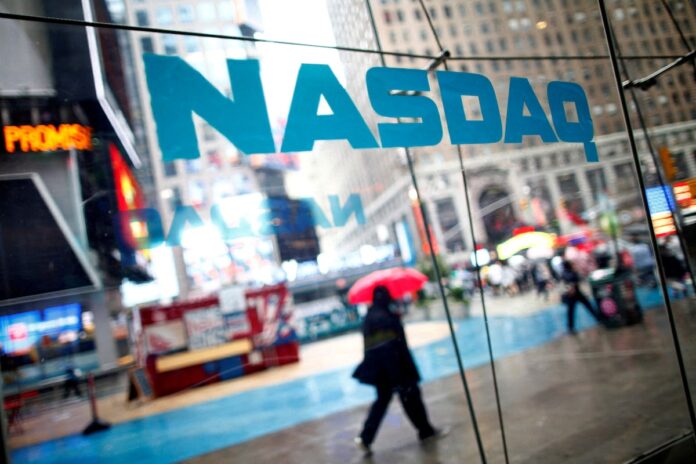

In an unprecedented move to reinforce market integrity and protect investors, Nasdaq, one of the world’s leading stock exchanges, recently proposed a new rule that would empower it to block Initial Public Offerings (IPOs) of companies, even if they meet all listing standards. The primary focus of this initiative is to prevent stock manipulation, particularly in scenarios where the exchange identifies potential red flags that could make a company’s stock vulnerable to unfair practices. This proposal demonstrates Nasdaq’s proactive approach to ensuring market stability and investor confidence.
Nasdaq’s Gatekeeping Efforts Intensify
The proposed rule signifies an increased effort by Nasdaq to tighten its gatekeeping role. This move comes amid an influx of firms from opaque jurisdictions trying to access U.S. public markets, often driven by the deeper pool of capital available in the U.S. that often leads to better company valuations compared to other markets. If adopted, this rule could effectively raise the bar for transparency, particularly for foreign companies.
Factors that Could Impact a Company’s IPO
Under the new rule, Nasdaq would review certain factors before deciding to block an IPO. These factors include the location of the company’s headquarters, the availability of legal remedies for U.S. shareholders in that jurisdiction, and the influence of controlling parties. In addition, the exchange would intensify its vetting process for companies whose boards it deems to lack adequate experience or where company advisers have questionable histories.
Cracking Down on Market Manipulation
Nasdaq has been actively working to curb market manipulation, specifically the so-called pump-and-dump schemes. These schemes involve artificially inflating the price of a stock and then selling it off at its peak, leaving unsuspecting investors nursing significant losses. Nasdaq’s consistent investigation over the years has particularly focused on curbing sharp stock rallies among smaller China-based companies, which have seen a notable rise in their shares despite only raising modest sums in their IPOs. This trend has led to substantial investor losses when these over-hyped stocks inevitably plummet following their initial surge.
Nasdaq’s Recent Measures to Strengthen Market Integrity
In September, Nasdaq introduced stricter listing standards as part of its broader effort to crack down on potential market manipulation. These measures included a higher minimum public float for some new listings and a quicker process to delist thinly traded companies. The proposed rule to block certain IPOs, if approved, will be a significant addition to these measures, further strengthening Nasdaq’s commitment to maintain market integrity and protect investors.
