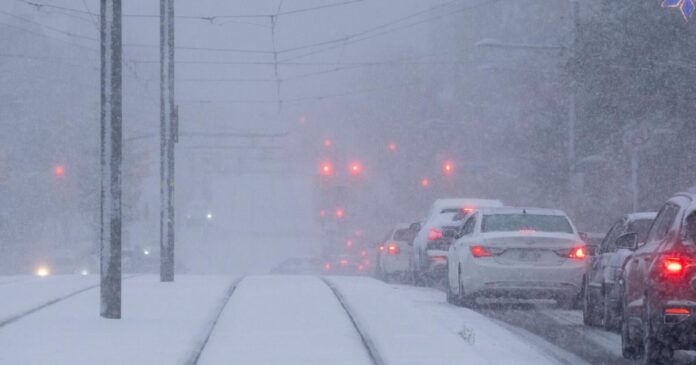

As we approach the winter season, there are many speculations and predictions about what the weather will look like. According to Environment Canada, the presence of La Niña could potentially bring “a lot of precipitation”. However, the actual winter forecast for Ontario remains uncertain.
Understanding La Niña and its Impact
La Niña is a climate pattern that describes the cooling of the surface water in the Pacific Ocean. It is one of the phases of the El Niño-Southern Oscillation (ENSO) climate pattern. According to the National Oceanic and Atmospheric Administration, La Niña often brings above-average precipitation and colder-than-average temperatures along the northern part of North America during the winter season.
While La Niña can bring significant amounts of precipitation, it does not necessarily mean that Ontario will experience a harsh winter. The impacts of La Niña can vary greatly depending on other atmospheric conditions.
Winter Forecast for Ontario: A Mixed Bag
Despite the presence of La Niña, the winter forecast for Ontario is still uncertain. According to Environment Canada, several factors can influence the winter weather in Ontario, including snow cover in Eurasia, sea ice conditions in the Arctic, and the positioning of the jet stream.
As such, it is difficult to predict with certainty what the winter weather in Ontario will look like. While some experts suggest that La Niña may result in above-average snowfall in the province, others believe it could lead to milder temperatures and less snow.
Plan Ahead with Timely Updates
Regardless of the predictions, it’s important for residents to stay informed and prepare for any weather conditions. Regularly check updates from reliable sources such as Environment Canada and take necessary precautions to ensure safety during the winter season.
While the winter forecast may be uncertain, one thing is for sure: winter is coming. So, whether it’s a lot of snow or milder temperatures, it’s best to be prepared.