

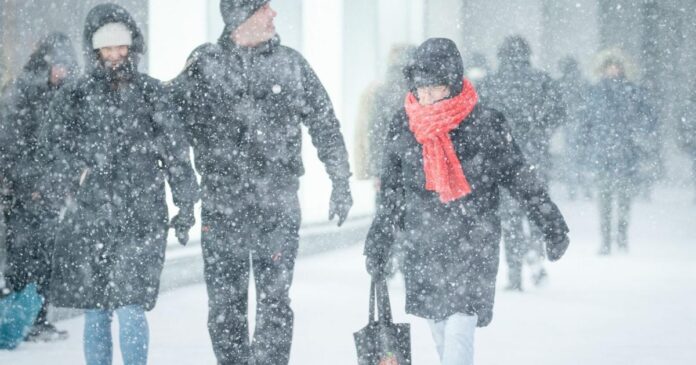

As we transition into the winter season, a unique mix of snow, ice and freezing rain has made roads hazardous and affected flights at Pearson, causing a multitude of disruptions. This climatic upheaval has been triggered by a “strong push” of warm air that rose atop the prevailing cold winds, setting the storm in motion.
Meteorological Analysis of the Storm
According to meteorologist Chris Scott, the unusual weather pattern is a result of a powerful surge of warm air that clashed with existing cold winds. This abrupt interaction between two different temperature zones instigated the storm, leading to a complex mix of snow, ice, and freezing rain. The image below gives a visual representation of this climatic event.
Impact on Roads and Air Travel
The result of this climatic interaction has led to precarious conditions on the roads and disruption in air travel. The mix of snow, ice, and freezing rain has created hazardous conditions, particularly for automobiles and flights. Pearson airport, in particular, has been notably affected with several flights being delayed or cancelled.
Addressing the Weather Challenge
Forecasters and meteorologists are working tirelessly to predict and interpret these weather patterns to mitigate the effects. It is crucial for road users and air travelers to stay updated with the latest weather forecasts, adhere to safety guidelines, and plan their travel accordingly to avoid any potential risks.
Moving Forward: Coping Mechanisms
While we cannot control the weather, we can certainly prepare for it. It is essential to have contingency plans in place for such weather-related disruptions. For road users, this could mean having emergency kits in their vehicles, while airlines might need to prepare for potential delays and cancellations. By staying informed and prepared, we can navigate these weather challenges more effectively.
