

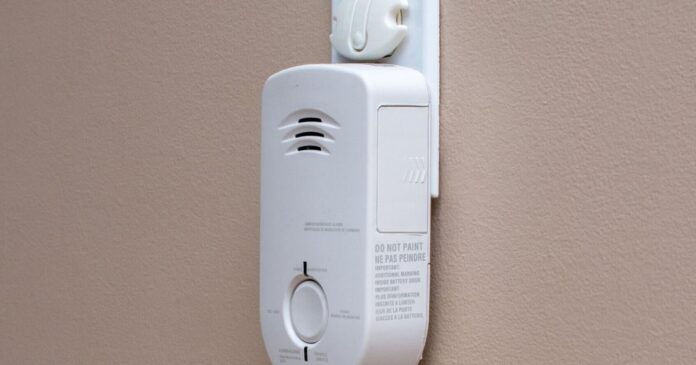

As the New Year dawns, “Ontario homeowners and landlords must meet new carbon monoxide alarm rules by Jan. 1”. This new mandate has been introduced as a measure to enhance the safety and security of residents across the province.
Understanding the New Carbon Monoxide Alarm Rules
It’s crucial to understand what these new rules entail. The new regulations require carbon monoxide alarms to be installed in all residential buildings, including houses, apartments, and condos. The devices must be placed in service rooms, and in each sleeping area of suites situated within proximity to a service room.
The Importance of Carbon Monoxide Alarms
Carbon monoxide, often referred to as the ‘silent killer’, is a colorless, tasteless, and odorless gas. This makes it virtually impossible to detect without the aid of an alarm. Exposure to high concentrations can lead to serious health issues or even death. Therefore, the installation of these alarms can potentially save lives by alerting individuals of dangerous levels of carbon monoxide in their homes.
Compliance with the New Rules
Homeowners and landlords across Ontario need to be proactive in complying with these new rules. Non-compliance could result in fines, not to mention the risk it poses to the safety of inhabitants. To avoid this, it is recommended that residents familiarize themselves with the specifications and installation procedures of carbon monoxide alarms.
Expert Advice on Carbon Monoxide Alarm Installation
Experts suggest that carbon monoxide alarms should be installed on every level of the home and in each sleeping area. In multi-level homes, alarms should be installed on each floor and in the basement. For optimal protection, interconnected alarms are recommended so that if one alarm sounds, they all do.
Choosing the Right Carbon Monoxide Alarm
There are various types of carbon monoxide alarms available in the market. Some models are hard-wired, others are plug-in models with battery backup, and there are also battery-operated models. It is essential to choose a model that best suits the needs of your home. Remember to look for alarms that meet Underwriters Laboratories (UL) standards to ensure quality and reliability.
Maintaining Your Carbon Monoxide Alarm
Maintenance is key for the proper functioning of carbon monoxide alarms. It is advised to test the alarms at least once a month. Batteries should be replaced once a year, and the device itself should be replaced every 7-10 years.
In conclusion, the new carbon monoxide alarm rules are a significant step towards enhancing the safety of residents in Ontario. Homeowners and landlords must adhere to these regulations not just to avoid penalties, but more importantly, to ensure the safety and wellbeing of the inhabitants.
