

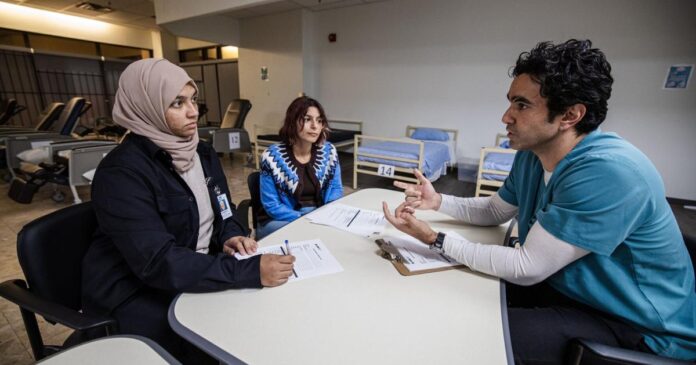

Highlighting the critical intersection of health and housing, Toronto based hospital, under the guidance of Dr. Andrew Boozary, has initiated a groundbreaking initiative. This involves the launch of a $1-million fund aimed at assisting patients with rent, in a move that Dr. Boozary terms as ‘This is preventative medicine.’ This pioneering step underscores the growing recognition of the profound impact evictions and housing instability can have on an individual’s health.
The Link Between Evictions and Health
Studies and research conducted globally have begun to shed light on the connection between evictions and health outcomes. As Dr. Andrew Boozary, executive director of social medicine at the University Health Network, puts it, “Eviction can be a death sentence.” He goes on to explain that the stress and instability brought on by eviction can exacerbate existing health conditions and even lead to new ones.
Understanding the Impact of Evictions on Health
Evictions often lead to a downward spiral, forcing individuals and families into substandard housing or homelessness. This can result in increased exposure to environmental hazards, poor nutrition, and limited access to healthcare services. Furthermore, the stress associated with eviction can lead to mental health issues, such as depression and anxiety, and exacerbate chronic conditions like heart disease and diabetes.
Preventative Medicine through Stable Housing
Recognizing the need for a more holistic approach to healthcare, the University Health Network in Toronto has started a $1-million fund to help patients with rent. This initiative is a testament to the belief that providing stable housing is a form of preventative medicine. By ensuring that patients have a safe and secure place to live, healthcare providers can mitigate the negative health outcomes associated with eviction and housing instability.
Advocating for Health Equity
Dr. Boozary’s work is part of a broader movement towards health equity, a principle that everyone deserves the opportunity to attain their highest level of health. By addressing social determinants of health, such as housing, healthcare providers can better serve their patients and contribute to the creation of healthier communities. This innovative approach to healthcare emphasizes the importance of addressing systemic issues that contribute to poor health outcomes.
Conclusion
The link between evictions and health outcomes elucidates the need for innovative healthcare solutions that address broader social determinants of health. The University Health Network’s initiative of helping patients with rent is a progressive step towards this change. By recognizing and addressing the role of housing in health, healthcare providers can better serve their patients and contribute to the creation of healthier, more equitable communities.
