

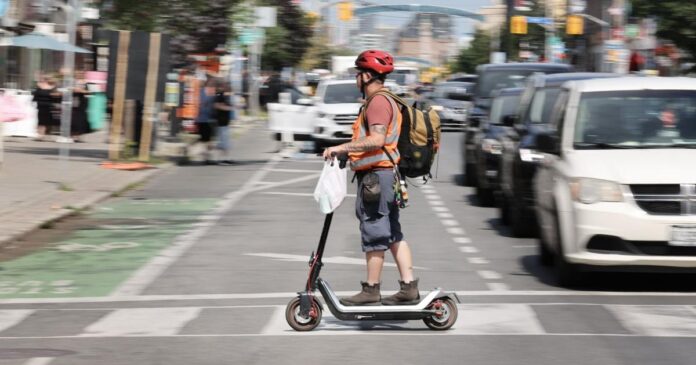

In a recent move to manage the surge of electric bikes and scooters in Toronto, city councillors have expressed their desire to get these e-vehicles off the sidewalk. While the initial proposal focused on empowering the police to impound these vehicles, the approach was adjusted during a Wednesday night meeting. It has now been decided that city staff will be entrusted with the task of proposing their own solutions for this growing concern. The question that remains now is: how exactly will they make it happen?
A Shift in Approach
In the initial draft of the proposal, strict actions were suggested which included permitting the police to impound e-bikes and e-scooters found violating the rules. However, the proposal was met with significant resistance, leading to a softened stance. Rather than leaving the task to law enforcement, the responsibility now falls on the city staff to devise their own strategies to handle the situation.
Key Concern: Public Safety
The primary concern that led to the proposal is public safety. The increasing number of e-bikes and e-scooters on sidewalks has raised concerns about pedestrian safety. There have been numerous complaints and incidents involving these vehicles, which prompted the councillors to take action. The goal is to ensure that sidewalks remain safe spaces for pedestrians while also accommodating the growing popularity of e-vehicles.
The Role of City Staff
The city staff, now tasked with finding a solution, have a challenging task at hand. They will need to balance the need for public safety with the growing demand for e-vehicles. It is expected that they will consult with local communities, transport experts, and law enforcement to develop a comprehensive plan.
Looking Forward
The decision to soften the initial proposal is seen as a positive step towards finding a balanced and effective solution. While the task is challenging, it offers an opportunity for the city to set a benchmark for how cities around the world could manage the surge of e-bikes and e-scooters. The solution proposed by the city staff will not only impact Toronto but could potentially influence global trends in urban mobility and public safety.
As we wait for the city staff’s proposal, one thing is clear – the need for a comprehensive, balanced, and effective strategy that will ensure public safety without stifling the growth of e-vehicles. This is a complex issue that requires a nuanced approach, and the world will be watching as Toronto takes on this challenge.
