

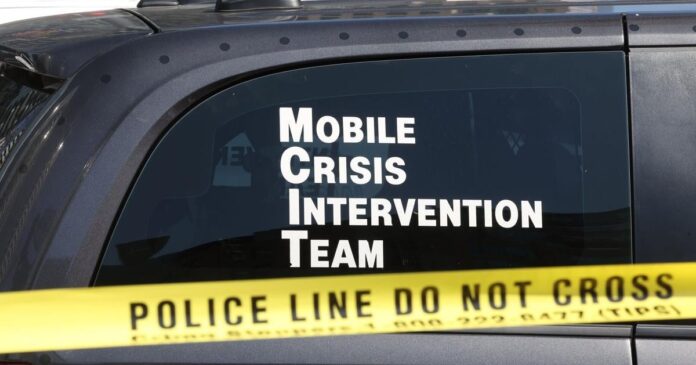

In a recent update, Toronto police have confirmed that no decision has been made yet to ‘sunset’ the mental health crisis teams, despite an internal memo suggesting otherwise. The memo, released earlier, had indicated that the mobile teams might be phased out by late 2026. However, police leadership on Tuesday refuted this, committing to a broad consultation for a future plan to address mental health calls.
Toronto Police Reaffirm Commitment to Mental Health Crisis Teams
As discussions on police reforms and the need for specialized mental health response teams continue to gain traction globally, the Toronto Police department has clarified its stance on the matter. Dismissing rumors of a potential ‘sunset’ of their mental health crisis teams, they emphasized their commitment to ongoing, broad consultation for future plans pertaining to mental health calls.
Internal Memo Sparks Concern
The internal memo, which suggested a potential phasing out of the mental health crisis teams, had sparked concern among advocates and community members. The memo had hinted at a ‘sunset’ by late 2026, raising questions about the department’s commitment to handling mental health calls effectively. However, the police leadership was quick to address these concerns, underlining that no such decision has been made yet.
Commitment to Broad Consultation
Reiterating their commitment to mental health issues, the Toronto Police department asserted that they are in the process of conducting broad consultations to devise future plans. The focus is on creating a comprehensive strategy that effectively addresses mental health calls, ensuring the safety and well-being of all community members.
The Importance of Specialized Mental Health Response Teams
The discussion around the necessity of mental health response teams in police departments has been ongoing. Experts argue that officers trained in mental health crisis intervention are better equipped to handle such calls, reducing the risk of escalation and ensuring the individual’s safety. These teams play a critical role in bridging the gap between law enforcement and mental health services, contributing to a more effective, empathetic response system.
