

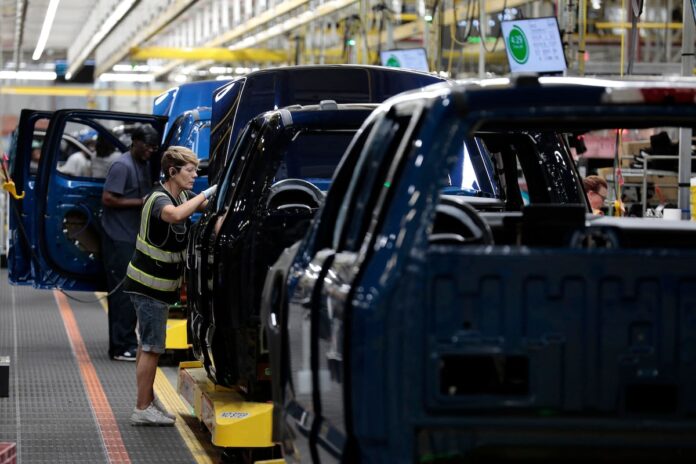

In a significant shift from its previous strategy, Ford Motor Co. has decided to halt the production of its electric F-150 Lightning pickup truck, citing growing losses from its electric vehicle (EV) operations and a lukewarm response from consumers. The decision comes as the automaker reevaluates its approach to EVs, choosing to focus on more efficient gasoline-engine vehicles and hybrid EVs for the foreseeable future. This article delves into the reasons behind the decision and its implications for the auto industry and the future of electric vehicles.
Ford’s Shift from Electric to Hybrid
After investing billions in electrification in recent years, Ford has announced it will no longer manufacture the F-150 Lightning electric pickup truck. Instead, the company will launch an extended range version of the vehicle. This move comes amid financial losses and waning consumer demand for EVs. Since 2023, Ford has reportedly lost US$13-billion in its EV operations and expects to take a further hit of US$19.5-billion, primarily in the fourth quarter due to the EV business.
“This is a customer-driven shift to create a stronger, more resilient and more profitable Ford,” said CEO Jim Farley. He added that the company is redirecting capital into high-return growth opportunities, such as hybrid vehicles and the new battery energy storage business.
Changes in Manufacturing and Future Plans
As part of its strategic shift, Ford will also introduce some manufacturing changes. The Tennessee Electric Vehicle Center, originally envisaged as the hub for Ford’s EVs and batteries, is being renamed the Tennessee Truck Plant and will now produce new affordable gas-powered trucks. Meanwhile, Ford’s Ohio Assembly Plant will manufacture a new gas and hybrid van.
By 2030, Ford expects half of its global volume to comprise hybrids, extended-range EVs, and full EVs, a significant rise from the current 17%. This decision aligns with the company’s aim to capitalize on the market for more affordable vehicles while maintaining a sustainable approach.
Consumer Demand and Pricing Factors
According to auto-buying resource Kelley Blue Book, the average transaction price for a new EV last month was US$58,638, compared with US$49,814 for a new vehicle overall. This price disparity, coupled with concerns about charging infrastructure, has likely contributed to the slower uptake of EVs among mainstream buyers. Despite improvements in public charging availability, the industry has had to rely heavily on home charging, which is not accessible to all potential buyers.
Impact of U.S. Policy on EVs
Changes in U.S. policy have also influenced Ford’s decision. Under President Donald Trump’s second term, the U.S. has shifted away from EV-friendly policies enacted under former president Joe Biden. While Biden’s administration encouraged EV adoption through tax incentives and fuel economy rules, the Trump administration has since reduced that target, eliminated EV tax credits, and proposed weaker emissions and gas mileage standards.
“The one-two punch of the public’s slow EV adoption and the Trump administration’s softer stance on fuel economy and emissions has encouraged every automaker to rethink their current direction,” said Sam Fiorani, vice-president at AutoForecast Solutions. “Electric vehicles are still the future, but the transition to EVs was always going to take longer than automakers have been promising the public.”
As the automotive industry continues to grapple with the transition to electric vehicles, Ford’s decision serves as a reminder of the complexities and challenges involved. While the ultimate goal remains a shift towards sustainable transportation, the path to achieving it remains uncertain and fraught with obstacles.
