

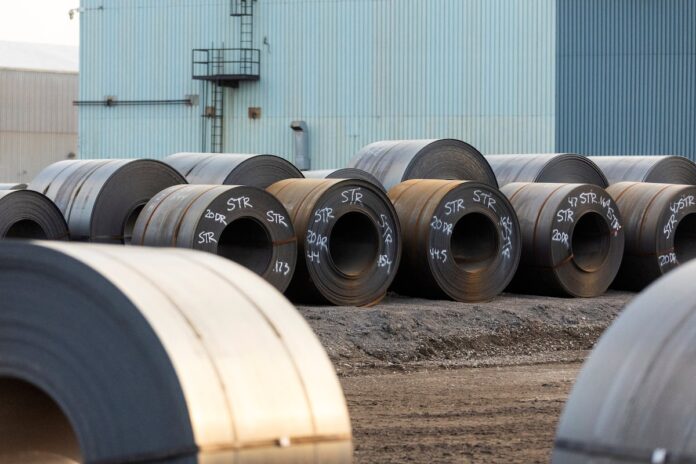

In response to the decline of Canadian steel exports to the United States, the Canadian government has escalated their efforts to bolster the demand for domestic steel mills by limiting the import of foreign metals. However, while these protectionist measures have been welcomed by beleaguered Canadian steelmakers, they’ve been met with criticism from steel users, particularly in Western Canada, who fear shortages and increased costs for construction materials and manufacturing inputs.
Protectionist Measures: A Godsend for Steel Producers
The latest measures from Ottawa have been a welcome relief for struggling Canadian steel producers such as Algoma Steel Group Inc, ArcelorMittal Dofasco, and Stelco. The business models of these companies have been significantly affected by U.S. President Donald Trump’s 50-per-cent steel tariff. In response, the Canadian government has adopted its own protectionist stance, merging distinct regional steel markets which have largely functioned independently for decades.
Changes in the Canadian Market
This shift in policy is altering the Canadian market in real time and bringing to light longstanding disputes between steel producers and buyers in different regions. Some are benefiting from the protection, while others are losing out. The hope of Ottawa is that by restricting imports and subsidizing transportation costs, the glut of metal in Eastern Canada will be absorbed by Alberta and British Columbia over time, thereby creating a new domestic equilibrium for an extremely disrupted market.
Concerns from Western Canada
However, the decision to restrict imports and force open a national market for Canadian mills has sparked resentment in Western Canada. Ravi Kahlon, B.C.’s Minister of Jobs and Economic Growth, expressed concerns that tightening the TRQs (tariff-rate-quota) before resolving logistical and supply issues will drive up costs for B.C. builders and manufacturers, leading to supply shortages and potential project delays. This concern is particularly acute as the province is currently accelerating work on a number of major infrastructure projects.
Transportation Costs and Price Differences
Another problem is the high transportation costs associated with moving steel from Ontario to Vancouver by rail, compared to the cost of importing steel across the Pacific. The Canadian government is planning to subsidize the cost of shipping steel and lumber by rail, starting in the spring. However, there are also significant price differences between imported steel, particularly from Asia, and steel produced in North America, which is often several hundred dollars a tonne more expensive.
Ottawa’s Steel Quota System
In response to the global oversupply of steel, Ottawa has implemented a quota system, setting an import quota above which steel shipments face a 50-per-cent tariff, with the goal of capping import volumes. However, this system has been criticized for distorting market pricing and generating confusion among importers. The quota is allocated on a first-come, first-served basis every quarter, leading to aggressive competition among international steel traders.
Concerns Over U.S. Tariffs
The looming threat of U.S. tariffs adds another layer of complexity to the situation. Some see Ottawa’s moves on steel as an attempt to align with the White House in the hopes of gaining relief from U.S. steel tariffs. The Trump administration has long argued that cheap Asian steel is being shipped into the U.S. through Canada and Mexico.
Implications for Western Canada
However, steel buyers in Western Canada are concerned about being left at a disadvantage. They argue that the strict quotas are being maintained to appease the Trump administration, which could lead to a lack of competitive steel in Western Canada. The situation illustrates the complex challenges facing the Canadian steel industry as it grapples with international trade dynamics and regional disparities.
