

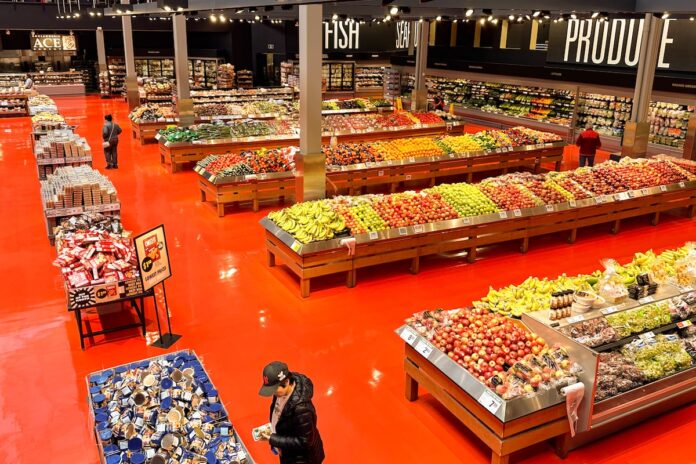

Set to come into effect next month, the grocery code of conduct in Canada promises to bring sweeping changes to the country’s grocery industry. Karen Proud, the first referee appointed to ensure compliance with the new regulations, acknowledges that she has a ‘big job’ ahead. As president and adjudicator of the office behind the grocery sector code of conduct, Proud is tasked with managing the relationships between retailers and their suppliers, a role that is more crucial now than ever before.
Understanding the Grocery Code of Conduct
The grocery code of conduct is a set of guidelines that aims to resolve ongoing disputes between retailers and their suppliers. The code seeks to address the issue of large retailers hitting suppliers with seemingly unjust fees and fines due to their market dominance. It also addresses the concerns of smaller retailers who argue that some suppliers prioritize larger retailers over them, thus affecting their business.
The Adoption of the Grocery Code of Conduct
After numerous delays and negotiations, over 120 companies including some of the biggest players in the industry have signed on to the code. Empire was the first major retailer to join the code, followed by Loblaw, Metro Inc., and Costco Canada. Walmart Canada has also stated its intention to sign on by the effective date of the code. Other signatories include Kraft Heinz Canada, PepsiCo Canada, and Unilever Canada Inc.
The Impact of the Code on Consumers
While the code does not directly address high food prices, a common complaint among consumers, it is expected to have other benefits. If successful, the code could lead to a wider range of product choices for customers by giving smaller suppliers a better chance to thrive and get their products onto store shelves. Additionally, creating a more predictable business environment may encourage larger multinational companies to invest more in Canadian operations, resulting in broader economic benefits.
Challenges and Expectations
Modeled after similar codes in Australia and the United Kingdom, Canada’s grocery code of conduct is unique in that it applies to both sides of the sector. However, this reciprocal structure could complicate the enforcement process. In spite of these challenges, Proud is confident that the new system will bring about a more predictable and transparent business environment, eliminating egregious behaviors and creating a level playing field for all players in the industry.
Conclusion
As the grocery code of conduct prepares to take effect, all eyes are on its implementation and potential impact. Amidst rising food prices and the need for fair competition, the code represents a promising step towards a more balanced and equitable grocery industry in Canada.
