

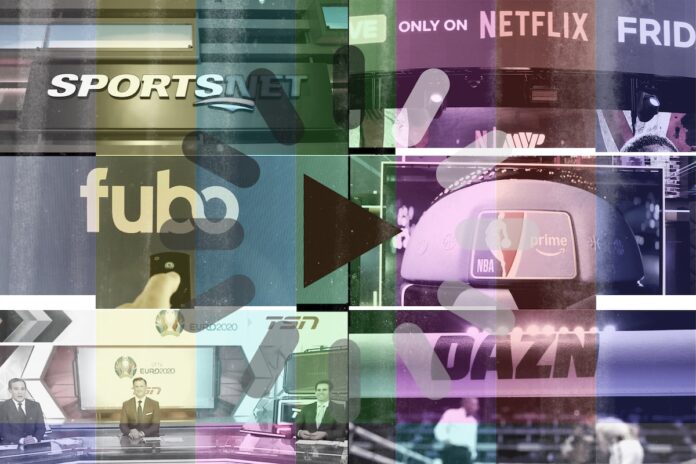

The sports streaming industry is an ever-evolving landscape, with a myriad of channels and platforms trying to capture the attention of sports enthusiasts. However, the increasing fragmentation of this industry has led to mounting frustrations among fans. They are overwhelmed by the multitude of services hosting their favorite sports, the difficulties in tracking where certain matches are aired, the complexities of switching between platforms, and the escalating costs. Nevertheless, these issues are not accidental glitches. They are the intentional design of the new age of sports streaming.
Fragmented Sports Streaming: An Intentional Design
Over the past decade, sports fans’ dreams have come true. They now have access to a plethora of broadcast channels and streaming services that offer round-the-clock live sports, ranging from basketball and hockey to cricket and kabaddi. However, this paradise is not without its drawbacks.
The sports leagues distribute their games across various services to achieve different and sometimes conflicting strategic objectives. The platforms intentionally create hurdles to keep viewers from switching channels. And as broadcasters and streamers grow more desperate to secure live programming, the leagues charge higher rights fees, which are then passed on to consumers.
Canada’s fractured sports streaming landscape has left even the most passionate fans feeling marginalized.
Changing Landscape and Rising Costs
For years, sports television enjoyed impressive profits, benefiting leagues, athletes, and broadcasters. However, as the price of broadcast rights for live sports began to skyrocket and new streamers fragmented the landscape, profit margins started to diminish. Even though fans appreciated the convenience of the new offerings, they were frustrated by having to pay for multiple services to follow their favorite teams and navigate an increasingly confusing landscape.
Now, as their business models are threatened, streamers are beginning to envision a future that might reduce the current chaos. However, this future may also alarm fans as it leans towards a contentious element of the past system: The content bundle.
A New Age of Sports Streaming
Streamers such as DAZN, Fubo, OneSoccer, and Apple TV have disrupted the Canadian sports broadcasting landscape, offering exclusive rights to various sports matches. Other streamers like Netflix and Amazon Prime have adopted a more selective approach, securing meaningful but not dominant amounts of important sports content in each country where they operate.
For the leagues, distributing their rights across various broadcasters and streamers allows them to pursue multiple goals simultaneously. For example, the NFL uses traditional broadcast channels for their widest reach but also airs weekly games on Prime to attract a younger audience.
The Future of Sports Streaming
However, there are indications that fans and the system itself are nearing a breaking point. A recent Global Sports Survey found that 66% of fans “struggle to access their favorite sports” and 43% of fans expressed some interest in sports “but are unwilling to pay” at the rates on offer.
There is hope that we might soon be passing peak sports TV chaos. The programming costs are exorbitantly high and are creating a profitability squeeze for many services. This has led to calls for a re-aggregation or bundling of services, which could offer a more sustainable model for the industry.
Ultimately, the Canadian broadcasters need to stop competing amongst themselves and realize that their biggest threat is the international streaming ecosystem. The future of sports streaming may lie in a consolidated, easy-to-navigate platform that caters to the needs and preferences of the fans.
Which sports, streaming services or languages should we add next?
Our new sports subscription tool covers hockey, baseball, basketball, and football, and now we want to know how we should expand it. Are there other sports, leagues, and languages you’d like us to include? Tell us what you think using the form below.
